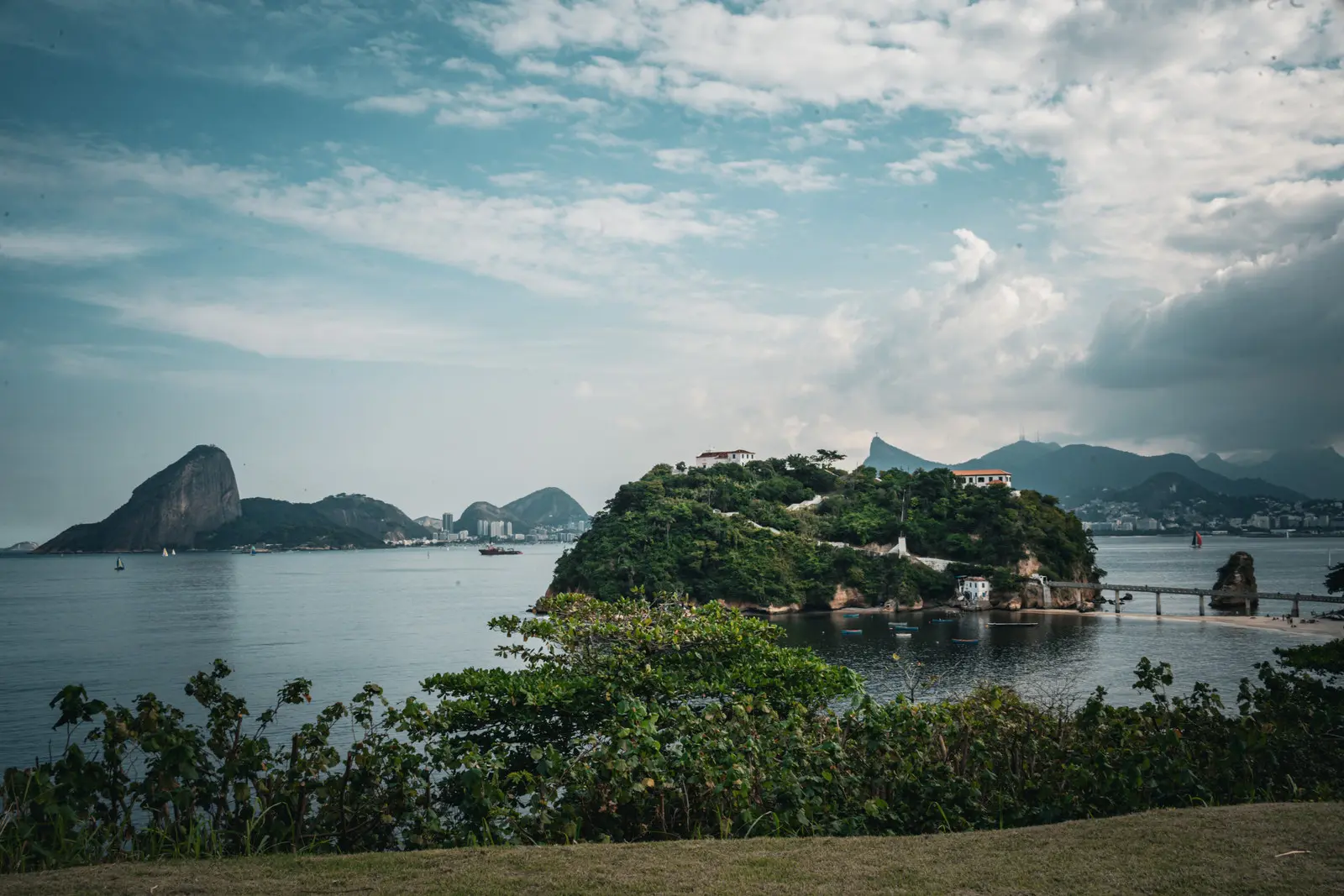
Brazil is teeming.
It’s an explosion of colors, lights, people, texture. Its beauty feels unreal. Few countries in the world can match its natural richness. Every beach and waterfall is more beautiful than the last. You want to sink into the soil and live in it, be part of it. Feel the life that pulses around you. I’ve spent 3+ years entangled in Brazil’s intoxicating web, 6+ months in the country, and learned the language. These are my reflections—a love letter to a place that changed me.
There is a built-in openness, warmth, and community feeling here that makes it seem as if everyone already knows each other. You’ll think, based on tone and body language, that two people have known each other for years, only to find out they met five minutes ago. Brazilians bring you into that, too. But as a gringo, it can be disconcerting, because this warmth and presence may be—and often is—only for the moment, for the night. It’s easy to misinterpret those signals in a romantic context too—every gringo has an embarrassing story or two of misread signals. Deep, true friendships take as long to develop here as anywhere else. In fact, in my experience, the Brazilian social mask can often make it harder to make authentic friendships, because people feel a social pressure to always be charming, beautiful, and carefree. The vulnerability required for real connection isn’t always accessible.
01 / PEOPLE
People make a place.
And Brazilians are charming and complex. International media depicts Brazilians as fun-loving, sexy beach athletes. That energy is present on the surface, in some places and in some people, but what I saw in Brazilians is sorrow. The smiles and charisma mask a lot of pain. There is palpable economic hardship and poverty. The rich world can romanticize poverty, but it’s not beautiful. It’s not noble. It’s painful, unfair, and defeating. There is a sense of shame and almost self-hatred—the complexo de vira-lata, or “mongrel complex”—that Brazil is a developing nation despite so much natural wealth and economic potential. There is outrage and a feeling of betrayal toward politicians and a government that seems determined to sell out its fellow citizens at every turn. Corruption is endemic. Education is underfunded and under-supported. Three out of every ten Brazilians are functionally illiterate. Brazil might be the definition of paradise, but being Brazilian isn’t easy.
Despite all the built-in challenges, most Brazilians I’ve met are ambitious and hard-working. They are working toward a better future for themselves and their families. The average Brazilian works harder than the average American; there is no doubt about that. They maintain humor and hope, and believe things can get better. It’s a nation of realistic optimists—they recognize the challenges, but have seen things improve in the past decades and are going to have as good a time as possible either way.

02 / MUSIC
Let’s talk music.
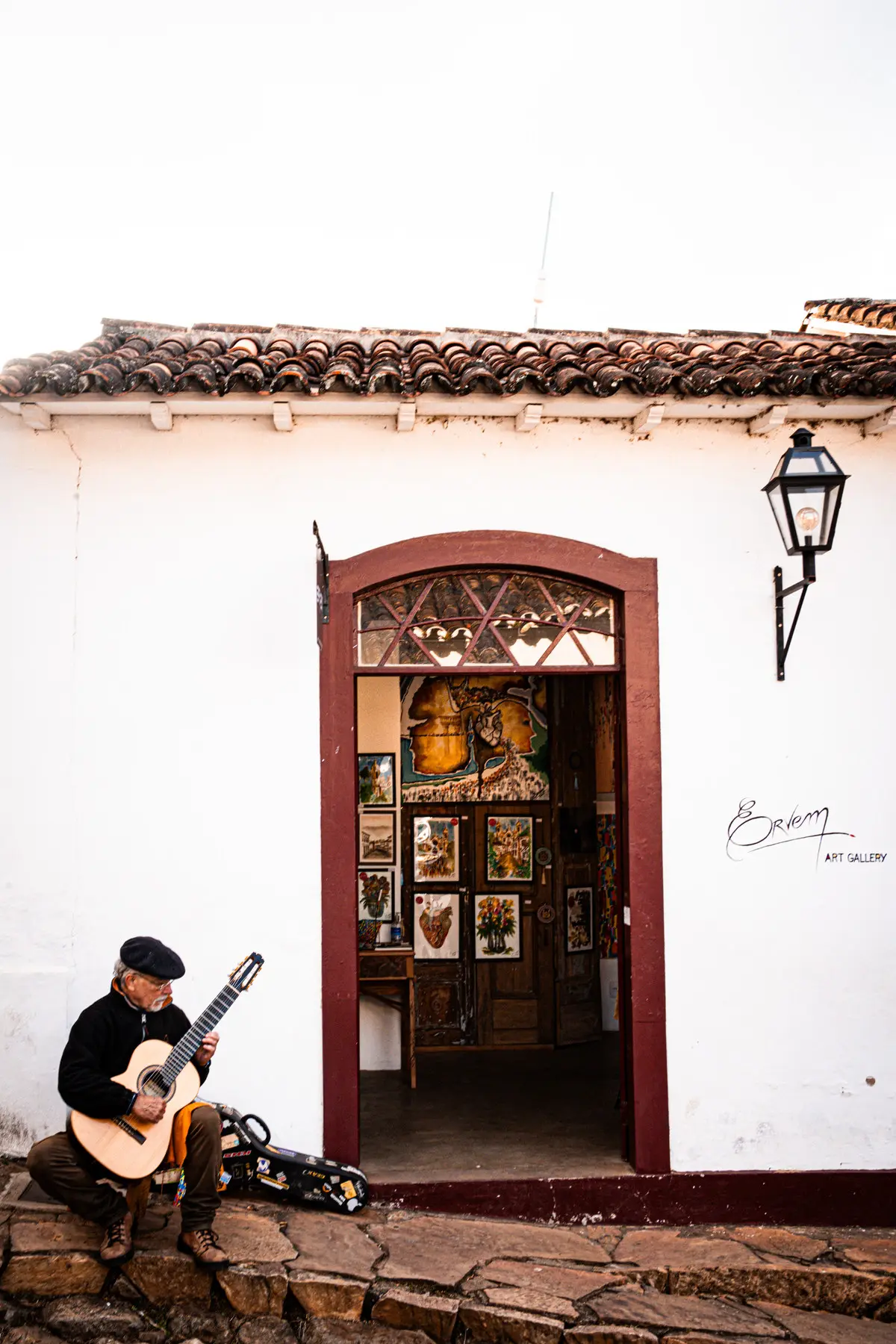
Brazil has a richer musical tapestry than anywhere I’ve been, except the U.S. (hate it or love it, the U.S. has got tunes). Samba, bossa nova, funk, pagode, sertanejo, forró, MPB, choro, axé, etc., etc. I love it—one of my favorite aspects of the country. Tim Maia is my guy. That syncopated rhythm seeps into everything. People here love it too. People sing and dance easily, and seem to appreciate music as one of life’s great pleasures. I stumbled into a Maena concert during pre-Carnaval celebrations in Salvador and was impressed with everyone’s dedication to belting out just about every word. Even the spoken language can sound musical. And every city has plenty of charming characters with guitars around.
I’d like to say that, when it comes to singing and dancing, people don’t seem to worry about how “good” they are. They are singing and dancing for the joy of singing and dancing. In the States, everything is about performance and competition—the attitude is, if you’re not excellent at something, then shut up and go home. That attitude is oppressive and misses the point of music entirely, in my opinion.
03 / ROMANCE
Closeness and contradiction.
Brazilian romance is not something I can claim to be an expert on, but I have some observations. There is a tension between a commitment to family on the one hand, and an openness to new connections and pleasure on the other. Cheating is omnipresent and baked into the culture—hated but accepted. One study of 1,279 urban middle-class adults in Rio found that 60% of men and 47% of women had been unfaithful. Perhaps because of this, there is a lot of jealousy and controlling behavior in relationships. The flip side is, Brazilians seem more in love with their partners, more passionate about them. Love is an intense experience, and more intense here. Frequent physical affection is expected, and entirely normal in public. I witnessed some aggressive makeout sessions on Rio’s streets that seemed closer to wrestling matches.
That relaxed physicality can be a bit of culture shock. I learned forró, a Brazilian partner dance. I would try to leave room for Jesus, but the girls were not having that, often pulling me closer than I was really comfortable with, and sometimes more or less dry-humping my thigh before I knew their names. But it’s just how forró is danced. It doesn’t have to mean anything, and you get used to it, and grow to appreciate this access and acceptance of sexual energy without consummation. Americans now seem a bit repressed and scared of each other—and maybe themselves.
Men and women here, despite the romantic betrayals, really love and appreciate each other. They thrive off the energy and attention of the other, of the exchange of masculine and feminine energy. You can feel in every interaction how much better gender relations here are. I’m not sure where all the bitterness and mistrust came from in American gender relations. You could blame it on misbehavior, but that hasn’t stopped Brazilians from keeping the love strong. Perhaps they accept the dark sides of the other gender, whereas Americans seem endlessly disappointed to find out their partners aren’t perfect.
04 / AMERICA
Speaking of Americans.
The more time I spend out of the country, the more I feel frustrated and disgusted by our entitlement and blind privilege, and our ridiculous expectation that life be a picture-perfect parade of luxury and pleasure. Instead of appreciating our fat, easy lives, we decided life should always be easy, and we deserve to be served and waited on. We throw fits like little princes and princesses when things don’t go our way. It’s so embarrassing to see someone raising hell because they got the wrong milk in their $7 matcha latte, or because their international jet flight was delayed, when you’ve seen and met people in abject poverty who don’t even dream of such luxuries.
Our wealth and ease have made us weak and rude, incapable of dealing with setbacks and the unexpected. In comparison, the relative chaos and struggle present here mean no one is expecting the world to bend over backward for them, and they face difficulty with far more grace and humor. I admire that.
05 / LESSONS
What Brazil taught me.
I learned a lot here. Some concrete skills, like Portuguese, surfing, forró. It’s the soft skills that mean more to me, though. More than anything, I learned to ease up. I’ve always been good at facing life with humor when I’m with friends, perhaps because I don’t want to burden anyone with my problems and melancholies, but alone I’m far more solemn, and I could be obsessive about fixing my issues and improving myself. But a lot of Brazilians have a magnetic attitude of “fuck it, I’m sexy anyway, let’s go out,” which is a more fun way to be.
And it’s true—there is joy and beauty in that diversity, whereas in America it feels more like you need to check all the right socially prescribed boxes to be “enough”—white, tall, rich, athletic. It feels like personality counts for more here—or maybe they just have personalities that do count for more! I learned to feel less shame and embrace my sexuality more. I learned to be more present and open in connection and conversation, and less guarded.
Good lord, Americans can be so scared of talking to each other; you have to laugh. What is everyone so scared of? I think most of us miss each other, but we are scared to reach out and be rejected. We take it as a personal affront when it doesn’t have to mean much at all. That is the hardest part about coming back to the U.S. every time—the gulf between people, the tension between each other, and the lack of eye contact and presence. That just isn’t an issue here.
I also learned patience and acceptance. On a recent supposedly six-hour bus trip, the day ballooned into a 15-hour all-day ordeal due to ride cancellations, sold-out buses, and other hiccups. And I didn’t get annoyed about it at all. A vida não é um morango—life is not a strawberry. You’ll get there when you get there.